It’s been a while. My last post here was back on 14 December 2023, and since then, life has taken me on a bit of an unexpected detour.
Over the past year, I needed to step away, not from LEGO, but from the noise. I took some time to reset, refocus, and look after myself. Life has a way of reminding us when it’s time to slow down, reassess what matters, and rebuild from the foundations up. Much like LEGO itself, sometimes you have to take things apart before you can put them back together stronger than before.
LEGO has always been a constant for me. From childhood builds on the living room floor to adult sets, collecting, researching brick history, and connecting with fellow fans, that passion never went away. Even during my time offline, the love for those colourful bricks and the stories behind them stayed firmly in place.
Now, I’m back, here on the blog and over on Instagram, ready to continue the mission.
This space will once again be dedicated to celebrating everything LEGO:
the history, the facts, the design evolution, the sets we love, and the incredible creativity within the LEGO community. I’ll be sharing insights, reviews, brick history, and the little details that make this hobby so special. Most of all, I want this to be a place that reflects the joy and camaraderie that comes with being an AFOL.
Thank you to everyone who stuck around, checked in, or simply waited patiently. If you’re new here, welcome. And if you’ve been here from the start, it’s good to be building alongside you again.
Here’s to fresh starts, new builds, and exploring the world of LEGO together…
Life has been a whirlwind lately, and the demands of daily responsibilities have kept me from sharing more about my deep-seated passion for Lego. As the year rushes towards its close, I find myself yearning for the upcoming festive break—a precious pause that promises a chance to immerse myself in the colorful world of Lego once again.
Balancing life, and other commitments can be a formidable challenge. My Lego projects have taken a back seat, patiently awaiting the moment when time would permit their resurrection. The creative ideas, the intricate builds, and the joy of sharing these endeavors with fellow enthusiasts have been lingering in the back of my mind, awaiting their turn to shine.
As the festive season approaches, I am filled with anticipation for the opportunity to carve out dedicated time for my Lego passion. The prospect of unwinding, surrounded by bricks and blocks, excites me. It’s a chance to reconnect with the childlike wonder that initially sparked my love for Lego and fueled countless hours of imaginative play.
In the midst of the holiday hustle, I look forward to rediscovering the therapeutic nature of building and creating. The festive break offers a respite from the daily grind, allowing me to focus on the intricate details of my Lego projects and share my progress with the community that shares this passion.
While my recent posts may have been sparse, the year ahead holds the promise of a revitalized commitment to my Lego journey. The creative energy that accumulates during this break will undoubtedly fuel an array of exciting projects, each with its own story to tell.
As I glance towards the upcoming year, I envision a series of blog posts that chronicle my adventures in Lego building. From ambitious constructions to the subtle art of organizing bricks, I plan to capture every moment of my Lego escapades. The community that has been patiently waiting for updates can expect a flood of content, brimming with enthusiasm and a renewed dedication to sharing the joy that Lego brings.
In essence, this festive break is not just a pause but a strategic reset—a chance to realign with my passion and set the stage for an exciting year ahead. So, stay tuned as I dive back into the world of Lego, armed with fresh ideas, renewed energy, and an unwavering commitment to sharing the magic of creativity that these little plastic bricks bring into my life. The journey continues, and the best is yet to come!
Welcome to the grand finale of our four-part journey through the vibrant history of LEGO. In this final instalment, we delve into the years 2010 to 2019, uncovering a treasure trove of imaginative sets and creative collaborations that have captivated LEGO enthusiasts of all ages. These years witnessed the resurgence of iconic partnerships, the emergence of new themes, and the expansion of beloved classics. From intergalactic adventures to fantasy realms, from superheroes’ battles to the magic of animation, LEGO’s evolution during this period is nothing short of remarkable.
From 2010, LEGO enthusiasts witnessed a whirlwind of creativity and innovation. The iconic collaboration between Disney and LEGO was reignited, leading to the introduction of LEGO Toy Story and LEGO Prince of Persia sets. The younger enthusiasts weren’t left out with LEGO DUPLO Cars sets.
Themes like LEGO Atlantis and LEGO Kingdoms continued to immerse fans in underwater and castle adventures. The inception of collectible LEGO Minifigures introduced a new element of tradable characters, with the first series featuring 16 unique figures.
The excitement didn’t stop there, as LEGO World Racers embarked on exhilarating cross-continent races, and the LEGO Hero Factory introduced “constraction” sets featuring snap-together robot heroes. Cartoon Network’s Ben 10 Alien Force joined forces with LEGO, and LEGO took us on a journey through space with intergalactic adventures.
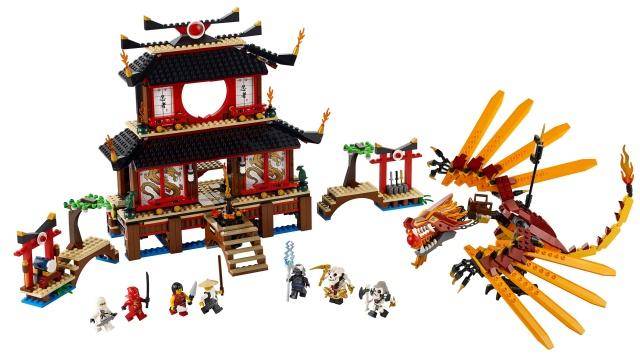
In 2011, LEGO Alien Conquest brought space-themed sets to Earth, and LEGO NINJAGO took centre stage, capturing the hearts of fans. Captain Jack Sparrow and his crew set sail on high-seas adventures with LEGO Pirates of the Caribbean sets. A collaboration between LEGO City and NASA resulted in space shuttle and spaceport sets, and LEGO Master Builder Academy taught official LEGO building techniques through sets and handbooks.
2012 saw the introduction of LEGO Marvel Super Heroes and LEGO DC Comics Super Heroes sets, bringing iconic superhero universes to life. Movie-inspired sets like LEGO The Lord of the Rings and LEGO The Hobbit made their debut. LEGO Friends introduced the creative mini-dolls of Heartlake City, while the LEGO Dino theme pitted dinosaurs and dino hunters in epic battles. LEGO Monster Fighters confronted classic monsters, and the first LEGO MINECRAFT set emerged following a vote on the LEGO CUUSOO website. LEGO Disney Princess sets expanded to include mini-dolls and classic brick construction in 2014.
In 2013, LEGO Legends of Chima unveiled a world of powered animal tribes, and a new LEGO Castle theme sparked a rivalry between Lion Knights and Dragon Knights. Galaxy Squad engaged in epic battles against alien insects in outer space, and LEGO Teenage Mutant Ninja Turtles sets arrived, based on the Nickelodeon computer-animated TV series. LEGO CUUSOO rebranded as LEGO Ideas, introducing a fan-created DeLorean Time Machine set inspired by Back to the Future. Western themes made a comeback with licensed LEGO Disney The Lone Ranger movie sets, and LEGO took steps towards environmental sustainability by reducing set box sizes. Sets released from this year onward featured 5-digit identification numbers, departing from the classic 4-digit ones.
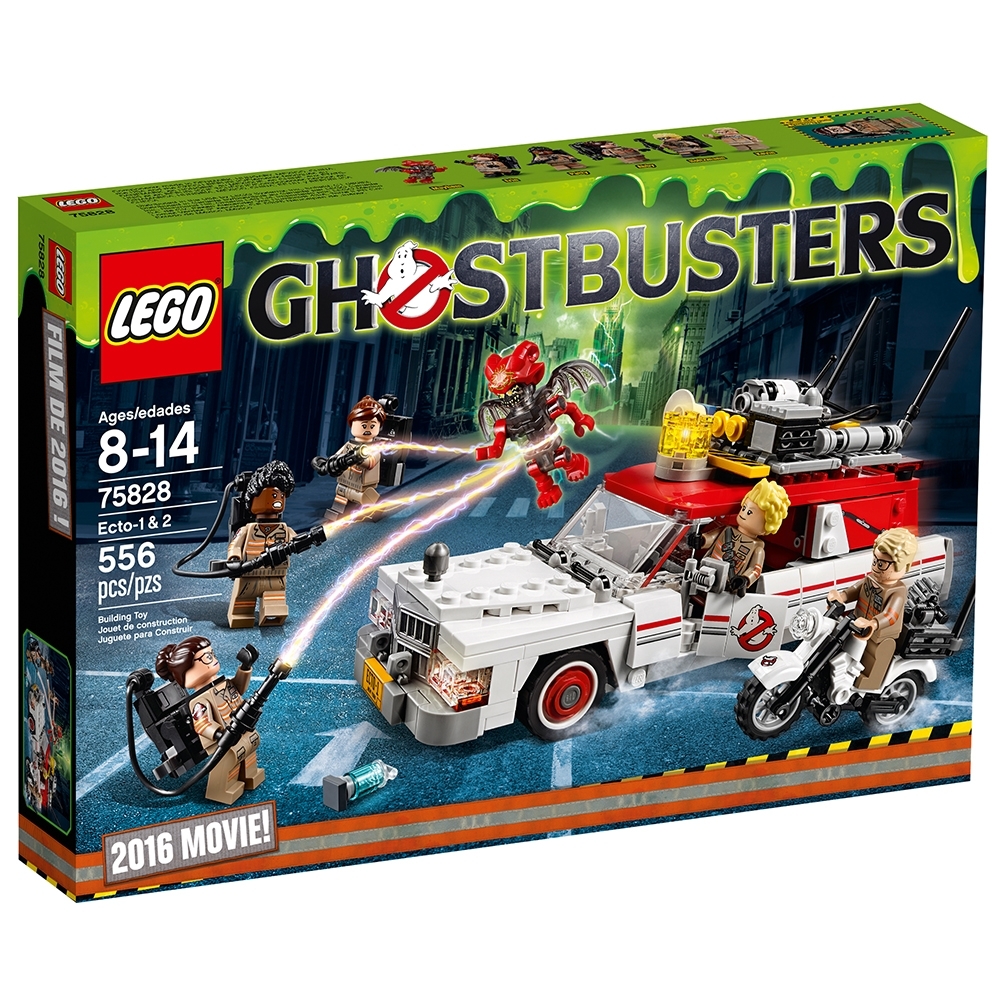
The blockbuster release of THE LEGO MOVIE in 2014 was accompanied by a line of movie-inspired sets. The playful LEGO Mixels offered a delightful blend of building fun. Super-spy adventures continued with the LEGO Ultra Agents, and special-edition LEGO The Simpsons Family House set marked the 25th anniversary of The Simpsons. In the United States, LEGO Fusion sets enabled LEGO models to interact with smart devices through an app, and LEGO Ideas debuted with a fan-designed Ghostbusters Ecto-1 set and other creative releases.
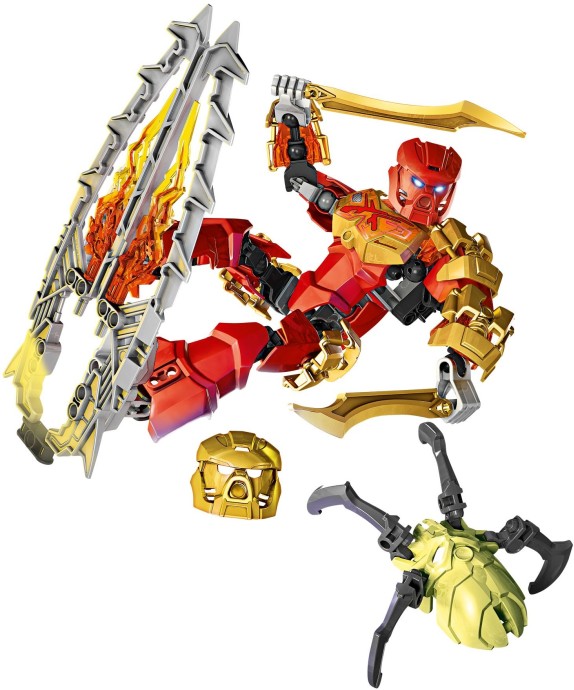
In 2015, the LEGO Pirates set sailed again for treasure and excitement. LEGO BIONICLE returned, sparking nostalgia among fans. A character named Emily uncovered the hidden realm of LEGO Elves. LEGO Scooby-Doo sets featured the entire Mystery Incorporated crew and a slew of “ghouls” and “ghosts” to foil their mysteries. The expanded minifigure-scale LEGO MINECRAFT line became an instant sensation.
In 2016, LEGO NEXO KNIGHTS combined futuristic technology with medieval knights in a captivating theme. LEGO City celebrated its 10th anniversary with a range of sets, including the deep-sea exploration series. The LEGO Architecture series took a journey to iconic cityscapes, including Berlin, Chicago, and New York City. LEGO Dimensions merged the digital and physical worlds in an action-packed video game with interactive LEGO figures and sets. LEGO Elves continued to enchant with mystical adventures and magical creatures, while LEGO Ghostbusters celebrated the 30th anniversary of the classic film with a Firehouse Headquarters set. LEGO Ideas introduced fan-designed sets, including the Old Fishing Store and Caterham Seven 620R.
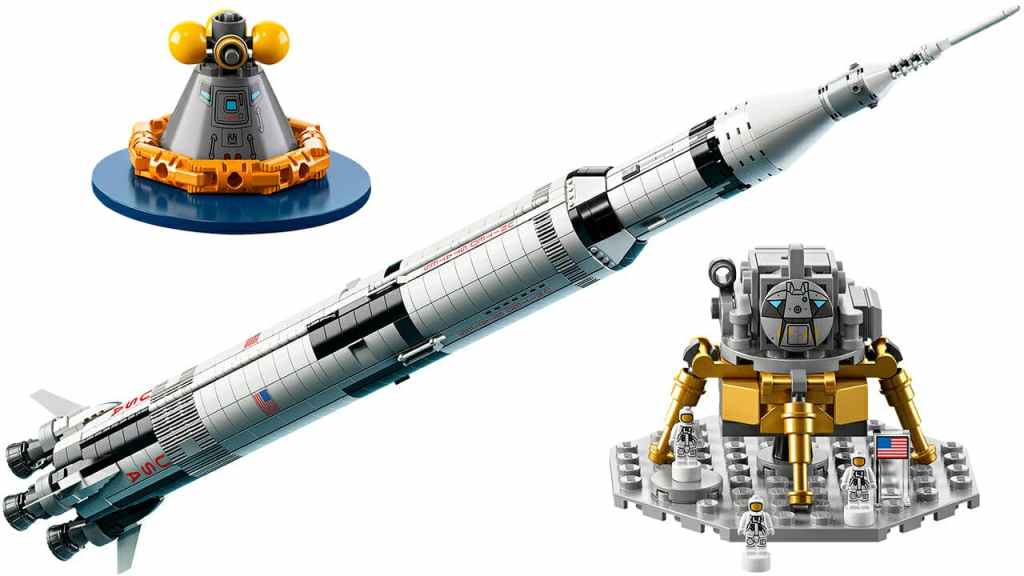
In 2017, the LEGO BOOST creative toolbox introduced coding and robotics to young builders. LEGO Star Wars celebrated its 40th anniversary with special edition sets and new characters. LEGO Ninjago Movie sets accompanied the release of the animated film, offering ninja action and epic battles. LEGO Architecture paid tribute to iconic structures like the Solomon R. Guggenheim Museum and Sydney Opera House. LEGO Creator Expert added the striking Assembly Square set to its collection of modular buildings. LEGO Ideas released the Women of NASA set, honouring female pioneers in space exploration. LEGO Boost won the Toy of the Year award, recognizing its innovation in educational play.
2018 brought new levels of interactivity to LEGO sets with the introduction of the Powered Up platform. The LEGO Harry Potter Wizarding World theme returned, delighting fans with magical adventures. LEGO Ideas released the Ship in a Bottle set, showcasing impressive brick-built details. LEGO Technic’s Bugatti Chiron set allowed builders to construct a detailed replica of the iconic sports car. The LEGO Creator Expert Roller Coaster offered a thrilling building experience, and LEGO City introduced the Arctic Exploration theme, featuring polar expeditions and icy adventures.
In 2019, LEGO Hidden Side combined augmented reality with physical play, letting builders hunt and capture ghosts. The LEGO Movie 2: The Second Part inspired a wave of sets, including Apocalypseburg and Queen Watevra’s Not-So-Evil Space Palace. LEGO Ideas released the Tree House set, highlighting eco-friendly building practices. LEGO City Space took explorers on intergalactic missions with a range of space-themed sets, and LEGO Star Wars marked its 20th anniversary.
Final thoughts:
As we conclude this captivating voyage through the decades of LEGO’s history, we’ve witnessed a remarkable era of creativity, innovation, and enduring charm. This period showcased LEGO’s unwavering commitment to sparking imagination, fostering learning, and uniting generations through the magic of building with bricks.
As we celebrate the end of this journey, let us remember that LEGO is more than just a toy; it’s a timeless form of artistic expression, a source of endless adventures, and a testament to the enduring power of creativity and play. The legacy of LEGO lives on, ever-evolving and inspiring new generations to build their dreams one brick at a time.
In the vibrant world of LEGO, the 1990s marked a period of unprecedented creativity and innovation. As we delve into this exciting era of LEGO history, we witness the birth of captivating themes and technological advancements that would shape the building experiences of generations to come.
The Early 1990s: A Time of Transition
The 1990s began with a notable change as the LEGOLAND brand took its final bow. The iconic LEGOLAND logo on set boxes faded into history, making way for the iconic LEGO logo that we know today. Simultaneously, the introduction of M:Tron sets brought the magnetic charm to LEGO’s Space theme, captivating young builders with futuristic adventures.
1991: The Return of Space Villains and Battery-Powered Trains
In 1991, LEGO enthusiasts saw the resurgence of the nefarious Blacktron in “Blacktron Future Generation.” Alongside this, LEGO trains transitioned to a 9-volt battery system, signaling a new era in railway adventures.
1992: The Dawn of LEGO System and Tropical Escapades
A major transformation occurred in 1992 as set boxes proudly featured the LEGO System brand. The Wolfpack renegades infiltrated the LEGO Castle theme, adding a thrilling twist to medieval play. Simultaneously, a second series of Space Police took to the cosmos. LEGO Paradisa offered a colorful and tropical minifigure vacation destination, inviting builders to create their own paradise.
1993: Frozen Worlds and Magical Realms
In 1993, LEGO Space enthusiasts embarked on an icy adventure as they journeyed to the frozen planet Krysto in “Ice Planet 2002.” Meanwhile, the world of LEGO Castle became even more enchanting with the introduction of the Dragon Masters, where fantasy and wizardry reigned supreme.
1994: Introducing BELVILLE and Space Subthemes
The year 1994 brought innovation in the form of LEGO BELVILLE, introducing dollhouse-style building sets and figures. In the cosmos, Unitron and Spyrius subthemes of LEGO Space began their galactic journeys.
1995: Underwater Expeditions and Royal Knights
In 1995, LEGO enthusiasts explored the depths of the sea with the Aquazone theme, diving into adventures with the Aquanauts and Aquasharks. LEGO Castle welcomed its first King minifigure courtesy of the Royal Knights.
1996: Time Travel, the Wild West, and Alien Fossils
Builders embraced time travel with the LEGO Time Cruisers theme while embarking on cowboy adventures in the LEGO Western theme. The Dark Forest subtheme of LEGO Castle picked up where the Forestmen left off, adding intrigue to the medieval world. Meanwhile, the Exploriens combed the LEGO Space universe in search of alien fossils.
1997: Spooky Castles, UFOs, and Underwater Battles
The LEGO Castle theme took a spooky turn in 1997 with the introduction of the Fright Knights faction. LEGO Space enthusiasts encountered robots and flying saucers in the Roboforce and UFO subthemes. Below the waves, the LEGO Aqua Raiders commenced their search for crystals in the Aquazone play theme.
1998: Adventurers, MINDSTORMS, and More
In 1998, the LEGO Adventurers embarked on a globe-trotting journey starting in Egypt. LEGO MINDSTORMS sets featured buildable, programmable robots, captivating tech-savvy builders. The short-lived LEGO Zap line offered snap-together 3D frame pieces for creative model-building. The Insectoids swarmed through LEGO Space, and LEGO Castle took a detour to the East with the Ninja subtheme. Beneath the sea, the Hydronauts and Stingrays clashed in LEGO Aquazone.
1999: The Galactic Phenomenon Begins
The year 1999 marked a turning point as the first LEGO Star Wars sets were released, launching a phenomenon that would captivate fans across the galaxy. LEGO Rock Raiders embarked on an epic crystal-hunting adventure, while LEGO Adventurers explored the depths of the Amazon with the Jungle subtheme. LEGO Throwbots, also known as Slizers, introduced disc-slinging robot warriors to the world of LEGO. Furthermore, LEGO Town transformed into LEGO City, setting the stage for urban adventures.
2000: A New Millennium of LEGO Adventures
As the calendar flipped to a new millennium, LEGO continued to redefine play experiences. The packaging proudly displayed the basic LEGO logo, signaling a fresh start. LEGO Studios sets empowered young filmmakers to create their stop-motion masterpieces with LEGO bricks. The LEGO Sports theme kicked off with football excitement, and EGO Castle introduced the first LEGO KNIGHTS’ KINGDOM subtheme. LEGO Mosaic sets allowed builders to reproduce photographs in tiny black, white, and grey LEGO pieces, blending artistry with play. LEGO also ventured into chilly landscapes with Arctic sets, and the LEGO Adventurers embarked on a mysterious journey to Dino Island. Wheels met technology with LEGO RoboRiders, introducing advanced models for expert builders, including a captivating Statue of Liberty set.
2001: Epic Adventures and Spellbinding Magic
In 2001, epic action unfolded with the introduction of buildable BIONICLE Toa heroes, setting the stage for a legendary saga. LEGO Harry Potter movie sets enchanted fans with magical adventures and introduced the first double-faced minifigure, Professor Quirrell. Meanwhile, members of LEGO Alpha Team commenced their mission to save the world from the evil Ogel.
2002: Superheroes, TV Series, and Video Games
The year 2002 saw the arrival of LEGO Spider-Man sets, swinging superheroes into the spotlight. Sets based on the Galidor: Defenders of the Outer Dimension TV series materialized, offering unique building experiences. LEGO Island Xtreme Stunts sets were launched, inspired by the successful LEGO Island and LEGO Island II video games, bringing virtual adventures into the hands of builders.
2003: Sports Extravaganza and Adventurous Endeavors
In 2003, LEGO Sports introduced NBA Basketball, Hockey, and Gravity Games, allowing sports fans to recreate their favorite athletic moments. Adventurers concluded their journeys with an Orient Expedition, and LEGO partnered with the Discovery Channel to produce the LEGO Discovery space sets, taking space exploration to new heights. LEGO City transformed into LEGO World City, expanding urban adventures, while LEGO CLIKITS kits offered a creative way to build jewelry and decorations. LEGO Designer Sets, complete with idea booklets, unlocked freestyle building possibilities. The introduction of licensed minifigures with realistic skin colors began, starting with the LEGO Sports NBA Challenge basketball players.
2004: Color Changes and Factory Fun
In 2004, several classic LEGO brick colors retired, making way for new shades, such as light purple and cool yellow. The second LEGO KNIGHTS’ KINGDOM line brought the heroes and villains of the kingdom of Morcia to life. The LEGO Factory website allowed fans to create model designs online and then mail-order the pieces to build them at home, bridging the digital and physical LEGO worlds.
2005: A Milestone Anniversary and Mythical Battles
The 50th anniversary of the LEGO System of Play in 2005 marked a historic celebration of creativity. LEGO World City became LEGO City, and a new theme was introduced as Dino Attack in some countries and Dino 2010 in others, featuring vehicles with dinosaur-fighting weapons and capture gear. LEGO Vikings stepped onto the scene, battling mythical monsters of legend. Tiny Turbos sets downsized LEGO Racers into palm-sized speedsters.
2006: Superhero Adventures and Hi-Tech Mecha
LEGO Batman sets in 2006 allowed super-hero fans to construct their version of brick Gotham City. The LEGO EXO-FORCE theme featured mecha action and light-up weapons, adding excitement to futuristic battles. The next generation of robotics was activated with LEGO MINDSTORMS NXT, inspiring builders to create interactive robots. A partnership with Nickelodeon produced LEGO SpongeBob SquarePants and LEGO Avatar: The Last Airbender sets. LEGO trains became remote-controlled, adding a new level of interactivity.
2007: Classic Themes Return and Modular Buildings Emerge
In 2007, classic play themes made a triumphant return with LEGO Space Mars Mission, LEGO Castle, and LEGO Aqua Raiders. The LEGO Modular Buildings series of connectible builds made its debut, setting the stage for architectural creativity. Electronic LEGO Power Functions, featuring motors, lights, and remote controls, found their way into LEGO Creator sets, enhancing functionality.
2008: New Licenses and Architectural Wonders
The year 2008 introduced new licensed themes, including LEGO Indiana Jones and LEGO Speed Racer, bringing iconic characters and vehicles to the LEGO world. Fans of iconic architecture found a new passion in micro-scaled LEGO Architecture models, designed by Chicago architect Adam Reed Tucker. LEGO Agents used hi-tech spy gear and vehicles to battle Dr. Inferno and his cybernetic henchmen.
2009: Power Miners, Pirates, and More
The LEGO Power Miners took on rock monsters deep beneath the Earth’s surface, while LEGO Pirates and LEGO Space Police made triumphant returns with new sets. LEGO Games entered the world of buildable board games, offering unique gaming experiences. LEGO City expanded into the countryside with farm sets, providing a taste of rural life in the LEGO universe. LEGO Factory transformed into LEGO Design byME, allowing builders to personalize their creations with even greater freedom.
This being the penultimate blog in the series, stay tuned as we continue our journey through LEGO’s legacy, exploring the exciting developments of the 2010s and beyond.
The 1970s marked a significant period of growth for the LEGO Group. It achieved global success with its iconic brick construction sets, and the introduction of the LEGOLAND range, named after the newly-opened theme park in Billund, Denmark, solidified “LEGO” as a household name. However, there was still a missing link, a unifying element for its diverse building sets.
The solution arrived in the form of a four-brick-tall character sporting a yellow head – the LEGO minifigure. Alongside three distinct themes – LEGOLAND Town, Space, and Castle – the golden era of LEGO building truly commenced!
1970, Fire Truck, #602, 30 pieces
1972 Specialized parts for LEGO aerial vehicle models, including triangular wing plates and spinning rotors, are introduced.
1973 LEGO releases its first floating ship set.
1974 The LEGO Family (200) introduces the first LEGO building figures with brick-built bodies, round heads, and posable arms.
1975 The initial LEGOLAND figure features an unpainted face and non-moving limbs. LEGO Hobby Sets, known as LEGO Expert in some regions, allow builders to create detailed replicas of real-life vehicles.
1977 Technical Sets, known as Expert Builder in the US, incorporate gears, beams, and connector pins to create realistic working functions (later renamed LEGO Technic in 1984).
1978 The original three LEGOLAND themes launch: Town, Space, and Castle. Newly designed LEGO minifigures by Jens Nygard Knudsen feature printed smiling faces and articulated arms, hands, and legs.
1979 LEGO FABULAND sets introduce a world of anthropomorphic animals for younger builders. LEGO SCALA sets enable fashionable children to create custom jewelry.
The 1980s: A decade of transformation! With LEGO play themes thriving in the 1980s, the goal was to make them bigger and better. LEGOLAND Town collections expanded to include new airport, postal system, and hospital sets. LEGOLAND Castle and LEGOLAND Space themes presented named groups of knights and astronauts, offering builders the choice to cooperate or compete. Electronics introduced light, sound, and motion to the models. As the decade came to a close, a surprising new play theme emerged!
1981, Basic Set, #333, 98 pieces, 2 figures
1984 The LEGOLAND Castle theme introduces medieval elements like horses and wagon wheels. The Crusaders and the Black Falcons form the first knightly factions.
1985 LEGOLAND Town welcomes its first airport, allowing jet-setting minifigures to explore new horizons. LEGO sets go electronic with Light & Sound System parts, initially used as sirens in sets like the Mobile Police Truck (6450) and the Hook and Ladder Truck (6480).
1985, Airport, #6392, 533 pieces, 8 Minifigures
1986 The LEGO Technic figure debuts, larger and more posable than standard minifigures, with bendable elbow and knee joints. LEGO Model Team releases detailed, large-scale builds of real-world vehicles.
1987 LEGOLAND Space introduces the Blacktron and Futuron subthemes, along with a motorized Monorail Transport System. The Forestmen settle in the woods of LEGOLAND Castle, and a new LEGO Brick Separator simplifies model disassembly.
1988 The Black Knights join the LEGOLAND Castle theme.
1989 LEGOLAND Pirates becomes the next thrilling play theme. Pirate minifigures are the first to feature different facial features like beards and eye patches, along with new body parts like hook-hands and peg-legs. The Space Police arrive to maintain order in the galaxy of LEGOLAND Space.
1989, Black Seas Barracuda, #6285, 865 pieces, 8 Minifigures
Closing thoughts…
As we conclude our nostalgic journey through LEGO’s remarkable history from 1970 to 1989, we can’t help but reflect on the significance of this era. For many of us, including myself, the 1980s hold a special place in our hearts – it’s the decade I was born in, and I have cherished memories of countless sets from this remarkable time.
The LEGO Group’s innovation and creativity throughout these years left an indelible mark on our lives. It wasn’t just about building bricks; it was about fostering our imaginations, sparking creativity, and creating endless adventures.
From the introduction of iconic minifigures and the expansion of LEGOLAND themes to the incorporation of electronic elements, the 1980s brought forth an era of boundless possibilities in the world of LEGO. Whether you were constructing medieval castles, exploring futuristic space realms, or embarking on swashbuckling pirate adventures, these sets were the building blocks of our childhoods.
As we bid adieu to this captivating chapter in LEGO’s history, let’s continue to celebrate the enduring joy that these timeless creations bring to people of all ages. The legacy of LEGO is one that transcends generations, and we look forward to what the future holds for this beloved brand. Thank you for joining us on this incredible journey down memory lane, and may your LEGO adventures continue to inspire, entertain, and unite us for decades to come.
Welcome to a captivating journey through the colourful world of LEGO, a beloved brand that has captured the hearts and minds of builders young and old for generations. In this four-part blog series, we’ll embark on a time-traveling adventure to explore the pivotal decades that have shaped LEGO into the cultural icon it is today.
Our first stop? The formative years from 1949 to 1969, where the very foundation of LEGO was laid in the small Danish town of Billund. We’ll witness the birth of the iconic interlocking bricks, discover the ingenious minds behind LEGO’s expansion, and delve into the innovations that sparked the imaginations of millions worldwide.
Prepare to be enthralled by the tales of creativity, innovation, and boundless imagination as we uncover the secrets of LEGO’s past and trace the evolution of this timeless toy. Whether you’re a seasoned LEGO enthusiast or simply curious about the history of this iconic brand, join us on this nostalgic journey as we build bridges across time, brick by brick.
1949
In the picturesque town of Billund, Denmark, the LEGO Group’s humble workshop witnesses the dawn of a ground-breaking era. Here, the very first plastic, interlocking “Automatic Binding Bricks” come to life, accompanied by the debut of LEGO’s foundational base plates.
1953
A pivotal moment unfolds as the “Automatic Binding Brick” transforms into the iconic “LEGO Brick”. The birth of the 1×2 and 2×3 bricks paves the way for creative possibilities beyond imagination. Norway becomes the first destination beyond Denmark to embrace LEGO sets, marking a global voyage.
1954
Enter Godtfred Kirk Christiansen, the visionary son of LEGO’s founder, Ole Kirk Christiansen. His brainchild? An entire System of Play revolving around the LEGO brick. The launch of new door and window elements, meticulously aligned with the stud and tube principle, ushers in a new era.
Godtfred Kirk Christiansen
Ole Kirk Christiansen
1955
The LEGO System of Play emerges, taking the form of the Town Plan series of construction sets. Remarkably, LEGO trees find their way into these sets, forever changing the landscape of brick-built worlds.
1962
Witness the advent of LEGO wheels, propelling the creation of rolling LEGO brick vehicles. Alongside, the introduction of the first LEGO plates and the enigmatic black bricks expands the palette of possibilities.
1964
Turning a page in the LEGO story, boxes of LEGO bricks now arrive adorned with intricate, step-by-step instructions, guiding builders to craft specific models from the vast sea of pieces.
1965
A new chapter begins with the introduction of tiles – flat pieces devoid of studs. Simultaneously, a partnership with Samsonite Corp. brings forth a set featuring a motor designed for gear-driven marvels, marking a new era in the US and Canada LEGO experience.
1966
Innovation takes a bold leap with the debut of battery-powered LEGO trains, capable of autonomous movement through a 4.5-volt motor.
1967
A monumental year as over 18 million LEGO sets find homes across 40 countries worldwide. The introduction of hinge pieces injects dynamic motion into models, expanding the realm of what can be built.
1968
The world witnesses the birth of the inaugural LEGOLAND park in Billund, attracting an astonishing 625,000 visitors in its inaugural year. A new era of family entertainment dawns.
1969
A heartfelt nod to the youngest builders as LEGO DUPLO sets, featuring oversized bricks tailored for children under five, embark on an international journey. LEGO trains receive a power boost with a new 12-volt motor, while the LEGOLAND range begins its enchanting adventure. The LEGO legacy continues to evolve, bridging generations and kindling the spark of creativity.
Closing thoughts
Reflecting on this remarkable journey through the years 1949 to 1969, we stand in awe of the enduring legacy of LEGO. From its modest beginnings in Billund, Denmark, to its global expansion, LEGO has not just built sets; it has built dreams and fuelled imaginations.
As we celebrate the milestones and innovations of this iconic toy company, it’s clear that LEGO’s commitment to creativity, play, and learning has left an indelible mark on generations of builders, young and old.
With every click of a brick and the construction of a new world, LEGO has shown us that imagination knows no bounds. So, whether you’re a seasoned LEGO enthusiast or just starting your brick-laden adventure, remember that the story of LEGO is a story of boundless possibilities and the power of play.
The journey from 1949 to 1969 is but a stepping stone in the grand narrative of LEGO, and we can’t wait to see what the future holds for this iconic brand. So, grab your bricks, let your imagination soar, and keep building the dreams of tomorrow with LEGO.
In plastic worlds of color and light, Where bricks and minifigs take flight, With every click of the camera’s eye, Lego tales come to life, oh so spry.
In a miniature landscape, we arrange, Our little figures, a scene so strange, With macro lens and careful aim, Lego photography becomes a game.
Each detail sharp, each color so bold, The stories told in scenes untold, Plastic dreams, they come alive, Through the lens, they strive and strive.
From castles grand to space so vast, In Lego worlds, our visions cast, Through the viewfinder, we create, Moments frozen, at any rate.
So grab your bricks, your camera too, Lego photography awaits for you, In tiny worlds, imagination’s key, Capture the magic for all to see.
If you’re looking for a captivating and educational building experience for ages 10 and above, the LEGO Technic NASA Mars Rover Perseverance (42158) is an adventure that’s truly out of this world. With its 1132 pieces and a host of realistic features, this set is a fantastic way to inspire budding scientists, engineers, and space enthusiasts.
A Voyage to Remember: This LEGO set takes space fans on a mission to Mars, allowing them to delve into the world of NASA’s Mars Rover Perseverance and its companion helicopter, Ingenuity. It’s not just about building a model; it’s about embarking on an educational journey.
Realistic Functions: One of the standout features of this set is its attention to detail. The Mars Rover boasts articulated suspension, allowing it to navigate uneven Martian terrain just like the real thing. Its 360° steering and movable arms provide an interactive and engaging experience for builders.
Augmented Reality: The AR app that accompanies this set is a game-changer. It brings the entire NASA mission to life, allowing kids to learn more about the rover’s environment and its objectives on Mars. This interactive feature enhances the educational value of the set significantly.
Intuitive Building: The LEGO Builder app is a valuable resource for builders. It provides clear, step-by-step instructions in an interactive 3D format. Builders can zoom in, rotate models, track their progress, and even save their sets as they develop their building skills.
Educational Value: This LEGO set isn’t just about play; it’s about learning. It introduces kids to the challenges of space exploration and provides insights into the Perseverance Rover’s mission. With the included buildable version of NASA’s Ingenuity helicopter, kids can even conduct their test flights.
Final thoughts: In summary, the LEGO Technic NASA Mars Rover Perseverance (42158) is an exceptional set that combines fun and education seamlessly. It not only fosters a passion for science and technology but also encourages exploration and creativity. Whether you’re a space enthusiast or looking for an engaging educational gift, this LEGO set is a stellar choice. The Mars Rover Perseverance set measures over 9 inches high, 12.5 inches long, and 9 inches wide, making it an impressive display piece as well as a hands-on learning tool. With its emphasis on realism and educational value, this LEGO set is truly an out-of-this-world experience.
In the realm where bricks hold dreams, Lego Ideas burst forth in streams. Creators weave tales, both bold and grand, Crafting wonders, a boundless land.
From iconic scenes to inventions anew, Lego’s canvas brings visions true. Each submission a spark, a unique ray, In the Lego Ideas world, they find their way.
Votes gather like stars in the night, A symphony of passion, pure and bright. With patience and hope, creators aspire, Lego’s embrace, their dreams inspire.
So let’s celebrate the minds that dare, To build beyond limits, to create and share. Lego Ideas, a stage for dreams to convene, Where imagination reigns, forever seen.
When it comes to LEGO creations, building round objects might seem like a challenging task. However, armed with the right parts and techniques, you can unlock a whole world of possibilities for crafting captivating circular designs. In this blog, we’ll delve into the essential parts and techniques that will elevate your LEGO round-object-building game to new heights.
1. Essential LEGO Parts for Round Creations:
a. Plates: Round creations often begin with a solid base. Utilize various sizes of round plates to form the foundation of your design. These include 1×1 round plates, larger round plates in sizes like 2×2, 4×4, and even the specialized round plate with a hole in the centre.
b. Bricks: Combine various sizes of round bricks to add height and texture to your creation. 1×1, 1×2, and 1×4 round bricks are great for smooth curved surfaces, while larger bricks can give your design a more substantial feel.
c. Tiles: Round tiles come in handy for finishing touches. Use them to add detailing, create patterns, or cover gaps on your circular design.
d. Arch Bricks: These versatile parts with curved shapes can help you create elegant curves and transitions between different sections of your round object.
e. Cones: Conical pieces are essential for creating pointed tops or bottoms of your round designs. They come in a variety of sizes and angles, allowing for creative customization.
2. Building Techniques for Round Creations:
a. SNOT Technique and Hinge Plates: “Studs Not On Top” (SNOT) is a technique where you place LEGO elements sideways or upside down to achieve smoother surfaces. To take this technique to the next level in round creations, consider integrating 1×2 hinge plates. These specialized pieces allow for greater flexibility in achieving curves and angles. Connect hinge plates sideways to create seamless curves, providing your round creations with a polished and professional appearance.
b. Offset Stacking: By offsetting bricks and plates by half a stud, you can achieve finer control over curves and create visually interesting textures.
c. Incorporate Angles: Utilize hinge pieces, including the 1×2 hinge plates, to introduce angles in your round designs. This technique adds a dynamic touch and can be used to create curved surfaces that aren’t perfect circles.
d. Layering and Gradual Reduction: Start with a larger base and gradually reduce the diameter of each layer as you build upwards. This technique works well for constructing round towers or structures.
e. Radial Symmetry: Divide your round creation into equal sections and build each section symmetrically. This technique works wonders for creating flowers, wheels, and other repeating patterns.
3. Inspiring Round LEGO Creations:
a. Planetary Models: Craft replicas of planets using round bricks, hinge plates, and other techniques to create a stunning display of the solar system.
b. Carousel Rides: Build intricate fairground attractions like carousels with rotating circular platforms, utilizing hinge plates for smooth movement.
c. Clock Faces: Construct elegant clock faces by combining various round tiles, plates, and hinge elements to represent the hours and minutes.
d. Microscale Round Buildings: Experiment with microscale architecture by designing tiny round structures like lighthouses, windmills, and towers, incorporating hinge plates for functional doors or adjustable features.
e. Sculptures: Craft sculptures of animals, plants, or abstract forms using the techniques mentioned above, including hinge plates, to achieve stunning round shapes.
Building round objects with LEGO is an art that requires a combination of essential parts, innovative techniques, and a sprinkle of creativity. By mastering these techniques, including the use of hinge plates, and thinking outside the brick, you can create captivating circular designs that will impress both casual fans and die-hard LEGO enthusiasts alike. So, gather your bricks, experiment with the suggested techniques, including hinge plates, and let your imagination run circles around your next LEGO masterpiece!
Is this your new site? Log in to activate admin features and dismiss this message








 Brick Guy Andy